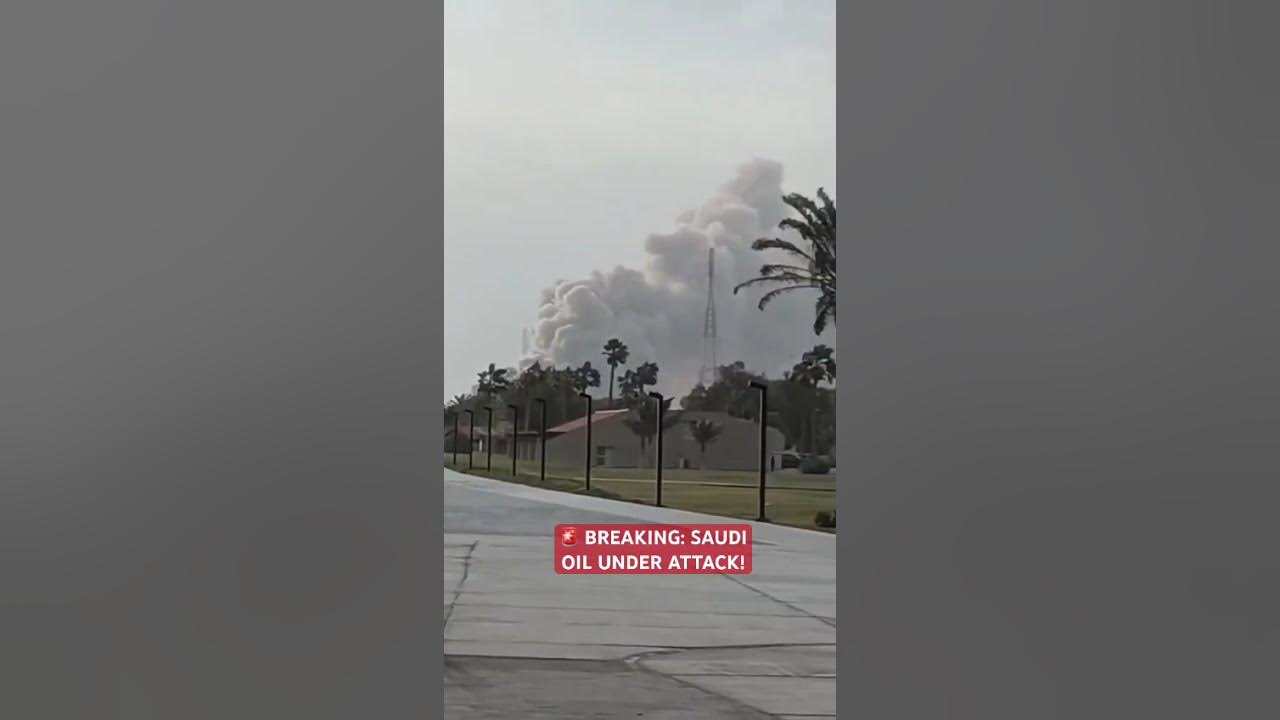
The global energy landscape is a complex web, constantly influenced by geopolitical shifts and regional tensions. Few events highlight the fragility of this system more starkly than a direct assault on critical energy infrastructure. The alleged drone strike on Saudi Aramco's Ras Tanura facility, attributed by sources to Iran, serves as a chilling reminder of the inherent vulnerabilities within the global energy supply chain and the potential for far-reaching economic and political ramifications. This incident, reportedly carried out using advanced Shahed-136 drones, has not only sparked concern across the Middle East but also sent ripples of anxiety through international markets, exposing a critical fault line in global energy security.
The Ras Tanura Attack: A Detailed Overview
Reports emerged of a significant aerial assault targeting the strategically vital Ras Tanura oil processing plant in Saudi Arabia. Eyewitness accounts described powerful explosions and ensuing fires, with thick plumes of smoke rising over the industrial complex. The alleged perpetrator, Iran, reportedly deployed Shahed-136 unmanned aerial vehicles (UAVs) in this coordinated attack on what is considered one of the world's most crucial energy facilities. While initial reports from sources like the Times of Israel indicated the fire was successfully localized, other reports, including from Reuters, suggested that operations at the facility were temporarily suspended, underscoring the severity of the incident.
The use of Shahed-136 drones in such an attack signals a concerning evolution in regional conflict tactics. These long-range, "kamikaze" style UAVs are designed to strike distant targets with precision, posing a significant challenge to conventional air defense systems. The very fact that these drones reportedly reached their target, despite Saudi air defenses, highlights a troubling vulnerability in the protection of critical infrastructure against modern asymmetric threats. This incident immediately brought into question the efficacy of current defensive measures and the urgent need for a reassessment of strategic asset protection protocols across the region.
Ras Tanura's Strategic Importance: Why This Target Matters
To understand the profound implications of the Ras Tanura attack, one must first grasp the immense strategic value of the targeted facility. The Ras Tanura complex is not merely another oil refinery; it stands as the world's largest integrated oil processing and export terminal. Operated by Saudi Aramco, the state-owned oil giant, this colossal enterprise is the lifeblood of Saudi Arabia's economy, responsible for processing and exporting a substantial portion of the kingdom's crude oil output to global markets. Its intricate network includes a refinery, a gas processing plant, and a massive export terminal, making it an indispensable node in the international energy supply chain.
Beyond its processing capabilities, the Ras Tanura area is a hub of critical energy infrastructure. It is located in close proximity to the significant Jafurah gas field and the Juaymah export terminal, further amplifying its strategic importance. An attack on such a centralized and vital asset has the potential to inflict severe damage on Saudi Arabia's economy, disrupt global logistical chains for energy resources, and consequently trigger significant volatility in international oil prices. The sheer volume of oil that flows through Ras Tanura means that any sustained disruption could reverberate across industries worldwide, from transportation to manufacturing, impacting consumers globally.
Unmasking Global Energy Vulnerabilities
The alleged drone strike on Ras Tanura unequivocally unmasks the profound vulnerabilities inherent in global energy infrastructure. Despite significant investments in security and defense, even the most fortified facilities remain susceptible to sophisticated, low-cost drone attacks. The Shahed-136, with its ability to evade radar and its explosive payload, represents a potent threat that demands a robust, multi-layered defensive response.
The reported inability of Saudi air defenses to completely thwart the attack raises critical questions about the current state of critical infrastructure protection. Traditional air defense systems, often designed to counter manned aircraft or ballistic missiles, may not be adequately equipped to handle swarms of smaller, slower-moving, and often commercially derived drones. This incident underscores several key vulnerabilities:
- Technological Gaps: Existing defense systems may struggle to detect, track, and neutralize smaller UAVs effectively, particularly in complex airspace.
- Geographic Scale: Protecting vast industrial complexes like Ras Tanura, which span many square kilometers, presents an enormous challenge, as a continuous, impenetrable defensive perimeter is practically impossible.
- Asymmetric Threat: Drones offer state and non-state actors a cost-effective method to inflict disproportionate damage on high-value targets, bypassing traditional military might.
- Supply Chain Dependency: A hit on a single critical node can create a domino effect throughout the global energy supply chain, demonstrating the interconnectedness and fragility of our energy infrastructure.
Enhancing Critical Infrastructure Security
Addressing these vulnerabilities requires a multifaceted approach:
- Layered Air Defense Systems: Implementing a combination of radar, electro-optical/infrared (EO/IR) sensors, and acoustic detectors to identify drones at various ranges and altitudes.
- Counter-Drone Technologies: Deploying a range of counter-UAV (C-UAV) solutions, including jammers, spoofers, net guns, directed energy weapons (lasers), and kinetic interceptors.
- Integrated Intelligence: Enhancing intelligence gathering and analysis to predict potential attack vectors and methods, allowing for proactive defense measures.
- Physical Hardening: Strengthening physical barriers and critical components of infrastructure to withstand potential impacts.
- International Cooperation: Sharing best practices, intelligence, and technological advancements among allied nations to bolster collective energy security.
- Rapid Damage Assessment and Recovery: Developing robust plans for quick assessment, repair, and operational continuity to minimize disruption after an attack.
Geopolitical Ramifications and Market Instability
Beyond the immediate physical damage, the Ras Tanura attack carries significant geopolitical weight. Sources suggest this action confirms Tehran's willingness to escalate tensions by directly targeting the infrastructure of countries perceived as supporting the United States and Israel. Such a strategy risks igniting a broader, more open military conflict between Saudi Arabia and Iran, further destabilizing an already volatile Middle East.
The international community is acutely aware of the potential for a sharp rise in global oil prices. Even the threat of supply disruptions from the world's largest oil export terminal can trigger speculative trading and price hikes. This incident introduces a palpable fear of a global energy crisis, especially given ongoing geopolitical uncertainties in other parts of the world. The attack essentially acts as a stress test for global resilience, exposing how regional conflicts can quickly evolve into worldwide economic challenges. The official response from Riyadh, when fully disclosed, will be critical in determining the immediate trajectory of regional escalation and whether this incident pushes the Middle East closer to the brink of a larger conflict.
The alleged drone strike on Ras Tanura is far more than an isolated incident; it's a critical inflection point that underscores the evolving nature of modern warfare and the profound interconnectedness of global energy markets. It serves as an urgent wake-up call, compelling nations to re-evaluate their defense strategies for critical infrastructure and highlighting the imperative for international cooperation in safeguarding energy security. As the world awaits further developments and official statements, the event at Ras Tanura will undoubtedly shape future discussions on regional stability, defense innovation, and the perennial quest for secure and affordable energy.