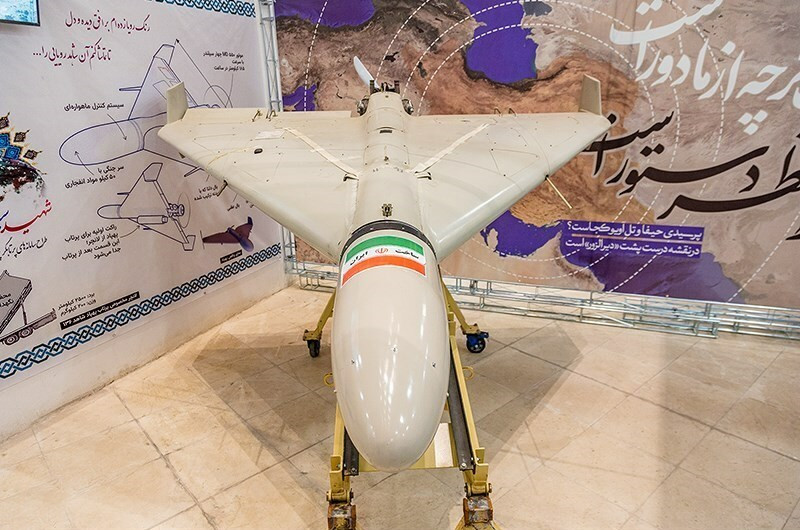
A Shockwave Across the Global Oil Market: Iran's Shahed-136 Drones Strike Aramco's Ras Tanura
The global energy landscape is once again teetering on the brink of significant upheaval following reports of a drone attack on Saudi Aramco's critical oil facilities in Ras Tanura. Iranian-made Shahed-136 drones are alleged to have targeted the vast processing and export complex, triggering explosions, fires, and plumes of dense smoke visible from afar. This incident, often referred to in some circles as the "Рас-Таннура атака" (Ras Tanura attack), signals a concerning escalation in regional tensions and casts a long shadow over the stability of international oil supplies. The audacity and precision of such an attack on the world's largest oil export terminal have sent immediate ripples through global markets, with experts bracing for potential price surges and disruptions.
The Strategic Heartbeat: Why Ras Tanura Matters
Ras Tanura is far more than just another oil facility; it is a vital artery in the global energy network. Located on Saudi Arabia's Persian Gulf coast, the Saudi Aramco complex at Ras Tanura is recognized as the world's largest integrated oil processing and crude oil export terminal. Its operations are instrumental in processing a substantial portion of Saudi Arabia's crude output and facilitating its export to markets across the globe.
The site encompasses a massive refinery, crude oil and gas processing plants, and a sprawling terminal capable of loading supertankers. Proximity to other strategic assets, such as the Jafura gas field and the Juaymah export terminal, further amplifies its significance. Any disruption to Ras Tanura's operations directly impacts the supply chain for millions of barrels of oil, making it an indispensable component of global energy security. Therefore, an attack of this nature has immediate implications not only for the Saudi economy but for the stability of the entire international energy market.
The Weapon and the Warning: Iran's Shahed-136 Drones and Evolving Threats
The alleged use of Shahed-136 "kamikaze" drones in the Ras Tanura incident points to an alarming evolution in asymmetrical warfare tactics. These unmanned aerial vehicles (UAVs), known for their relatively low cost, long range, and destructive payload, represent a significant challenge to conventional air defense systems. The reference context indicates that Saudi air defenses were not entirely successful in preventing impacts on the facility, highlighting a potential vulnerability in the protection of critical infrastructure.
This incident is not an isolated event but appears to be a continuation of a broader strategy. The Iranian side, according to the reference context, has expanded the geographical scope of its attacks, signaling a clear readiness to target the infrastructure of nations perceived to be allied with the United States and Israel. This pattern suggests a calculated effort by Tehran to exert pressure on regional rivals and international powers, seemingly disregarding the potential for broader global destabilization. The effectiveness of these drones in penetrating what should be highly protected areas underscores the urgent need for a re-evaluation of defensive strategies for strategic energy assets across the region.
Immediate Aftermath and Market Repercussions
Following the alleged drone strike, eyewitnesses reported powerful explosions, rapidly escalating fires, and thick columns of smoke billowing over the Ras Tanura complex. While initial reports from the Times of Israel indicated that a fire was localized, details regarding the full extent of the damage remain unconfirmed by Saudi authorities or Saudi Aramco. Information regarding potential casualties is also pending. Despite the lack of official disclosures on the scale of destruction, preliminary assessments by experts peg the threat level as "extremely high," given the facility's strategic importance. Reports suggest that work at the enterprise has been temporarily suspended, underscoring the immediate operational impact.
The global oil market reacted swiftly, with commodity prices showing volatility and an upward trend. Traders and analysts are factoring in the heightened risk of supply disruptions, which could lead to a sharp increase in crude oil prices. A prolonged interruption at Ras Tanura could realistically trigger a global energy crisis, affecting industries and consumers worldwide. This immediate market instability serves as a stark reminder of how interconnected global energy supply chains are and how vulnerable they remain to geopolitical flashpoints.
Geopolitical Fallout and Regional Escalation
The attack on Ras Tanura is laden with profound geopolitical implications. If confirmed as an Iranian-orchestrated strike, it would unequivocally demonstrate Tehran's readiness to target economic centers of its adversaries, even at the risk of widespread conflict. This aligns with a stated policy focus of hitting regional allies of Washington and Tel Aviv. The incident places immense pressure on Riyadh to respond, potentially pushing Saudi Arabia closer to an open military confrontation with Iran, especially against a backdrop of ongoing conflicts elsewhere in the Middle East.
The international community now awaits an official reaction from the Saudi side, which will undoubtedly set the tone for the level of de-escalation or escalation in the region. The silence from Riyadh concerning the extent of damage and casualties suggests a cautious approach, perhaps to avoid further inflaming an already volatile situation. However, the perceived vulnerability of key energy infrastructure exposed by this attack will likely lead to calls for stronger regional security cooperation and potentially increased military assistance from international partners.
For a deeper dive into how such incidents expose global energy vulnerabilities, explore our related article:
Ras Tanura Attack: How Iran's Drone Strike Exposes Global Energy Vulnerabilities.
Navigating an Uncertain Future: Resilience and Preparedness
The Ras Tanura incident serves as a critical wake-up call for nations and energy companies worldwide regarding the imperative for enhanced resilience and preparedness against evolving threats.
Here are some insights and considerations:
- Fortifying Defenses: Saudi Arabia and other energy-producing nations must urgently review and upgrade their air defense systems, particularly against drone and missile threats. This includes investing in counter-UAV technologies, integrated air defense networks, and early warning systems.
- Diversifying Supply Chains: While difficult for crude oil, energy consumers and businesses reliant on stable supplies should consider strategies to diversify their sourcing and build strategic reserves where possible, mitigating the impact of disruptions from any single region.
- Cybersecurity Measures: Beyond physical attacks, critical infrastructure is also vulnerable to cyber warfare. Robust cybersecurity protocols are essential to protect operational technology systems from digital incursions that could lead to shutdowns or sabotage.
- Diplomatic Engagement: International efforts to de-escalate regional tensions through diplomacy and dialogue become more critical than ever. Preventing a broader conflict requires sustained engagement from global powers.
- Market Monitoring: Investors and businesses should closely monitor geopolitical developments and their potential impact on oil prices and supply stability. Proactive risk assessment and scenario planning are crucial for navigating volatile markets.
The readiness of Iran to strike significant economic targets underscores the precarious balance of power in the Middle East. The incident compels a re-evaluation of risk not just for Saudi Arabia, but for any nation hosting vital energy infrastructure. The shadow of military conflict and broader destabilization looms large, as detailed further in our piece:
Middle East on Brink? Iran's Ras Tanura Attack Threatens Regional War.
Conclusion
The alleged Shahed-136 drone strike on Saudi Aramco's Ras Tanura complex marks a significant and dangerous escalation in regional tensions, placing the global oil market squarely on edge. As the world awaits definitive information from Riyadh and assesses the full extent of the damage, the incident serves as a stark reminder of the vulnerabilities inherent in global energy supply chains and the unpredictable nature of geopolitical rivalries. The long-term implications for oil prices, regional stability, and the strategies for protecting critical infrastructure will undoubtedly be a central focus for policymakers and energy stakeholders in the months to come.